
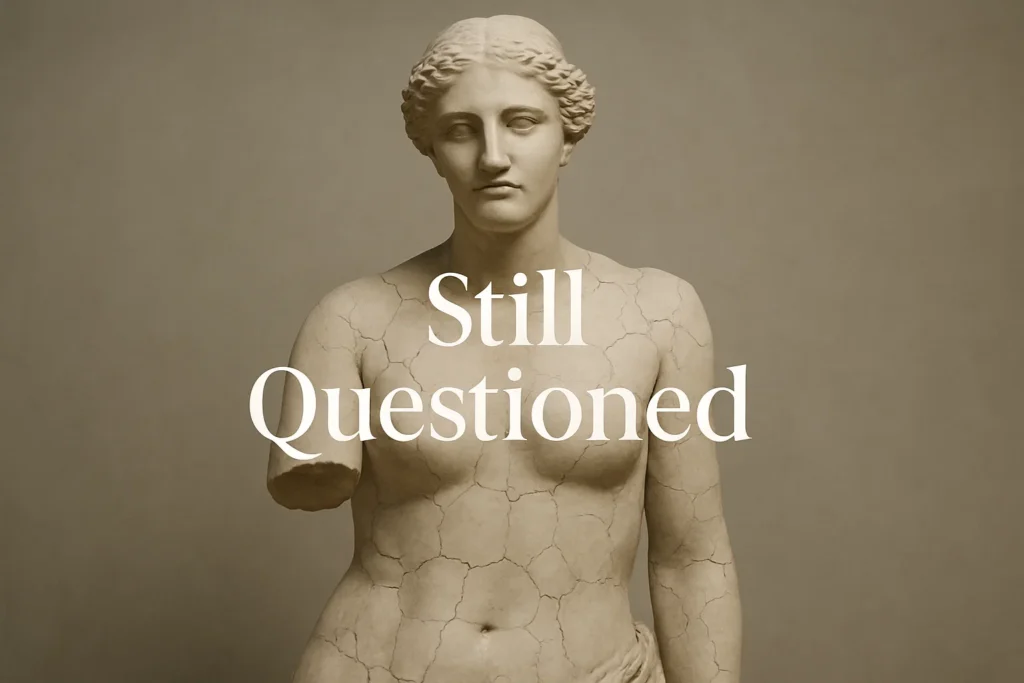
The question itself feels like a punch in the gut—but that’s the point. It forces attention. It echoes what too many women still silently battle: the undervaluing of their worth. Behind the provocation lies a real problem—systemic dismissal of women’s roles, ideas, and value. But the answer? A resounding no, and not just emotionally—but factually, economically, and socially. This article dives deep into why this myth still lingers, what data really says about women’s contributions, and who truly flinches when we confront the truth.

Where Does This Question Even Come From?
This isn’t a new insult—it’s an ancient one wrapped in modern language. Across cultures, the assumption that women are “less useful” has lingered for centuries. From being barred from education to being confined to unpaid domestic labor, societies have long built systems that define usefulness by proximity to male-centered power.
In 2025, gender bias is still coded into everything from hiring algorithms to healthcare diagnostics. A Yale University study (2022) found that both men and women were more likely to hire a man over an identically qualified woman for a science-based job. Not due to skill—just perception.
But here’s the twist: perception isn’t reality. And reality? It’s in the numbers.

Let’s Talk Numbers—The Economic Value of Women:
In the U.S. alone, women contribute over $7.6 trillion to the GDP annually, according to McKinsey Global Institute. Globally, the potential for growth is even more staggering—if women participated in the economy identically to men, it could add $28 trillion to global GDP by 2025.
They aren’t “just” caregivers. Women run nearly 13 million businesses in the U.S., generating $1.9 trillion in revenue (2023 SBA report). That’s not a hobby. That’s economic power.
Still think “useful” is a male default?
The Invisible Labor That Holds the World Together:
Behind every clean home, every well-fed child, every aging parent cared for—there’s often a woman working unpaid hours. In fact, globally, women do over three times as much unpaid care work as men, according to the UN (2024). That’s cooking, cleaning, managing emotional health, organizing birthdays, scheduling doctor appointments—all without a paycheck.
Imagine if this invisible labor suddenly stopped. Economists estimate that replacing unpaid domestic work with paid services would cost over $10.9 trillion annually worldwide (Oxfam, 2023).
The question then becomes: not are women useful, but are they being fairly recognized for how useful they are?
But What About “Traditional Strength”?
Let’s debunk the “strong means masculine” myth. Emotional resilience, multitasking, intuition, and collaborative leadership aren’t lesser strengths—they’re different strengths. And they’re highly effective.
During the pandemic, countries led by women—like New Zealand, Taiwan, and Iceland—had statistically better outcomes in managing COVID-19 (BMJ Global Health, 2021). They acted quickly, communicated clearly, and prioritized citizen well-being.
Leadership doesn’t need to roar to be effective. It just needs results. And women deliver them—quietly, powerfully, consistently.
The Cultural Undervaluing of Femininity:
From films to finance, femininity is often treated as aesthetic rather than strategic. Pink is “soft,” empathy is “emotional,” and beauty is either weaponized or dismissed. But femininity isn’t weakness—it’s a cultural system of skills and communication often ignored in “serious” settings.
Why do we trust aggression more than empathy in boardrooms?
Because we’ve been taught that visibility equals value. And femininity—despite being everywhere—is often quietly powerful. Until it dares to speak.
So Why Are Women Still Doubted?
Despite the data, the stories, the contributions—women still face systemic doubt. This isn’t about ability. It’s about belief. And changing belief takes more than evidence. It takes exposure.
Algorithms favor male voices. Newsrooms quote men 5x more often than women (Global Media Monitoring Project, 2020). Even Google search auto-suggestions often reinforce sexist assumptions.
The real question isn’t whether women are useless. It’s: Why does this question still feel askable in 2025?
Let’s Flip the Lens: Who Flinches First?
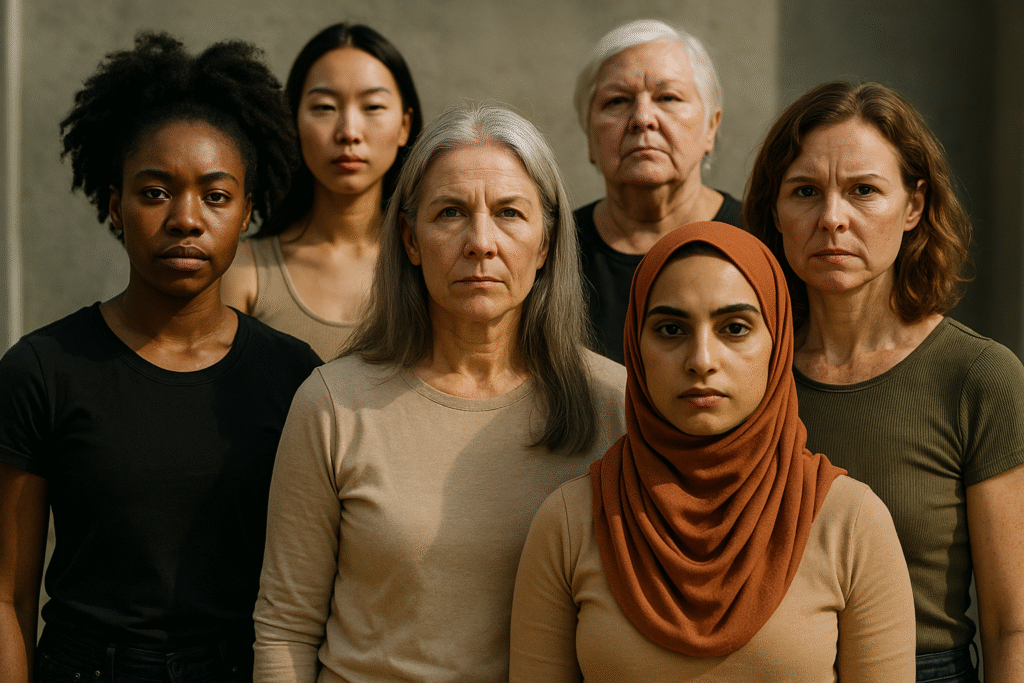
When women question their worth, they’re told to be grateful. When they assert it, they’re called too much. When they succeed, their achievements are dissected. So yes, “let’s see who flinches first.”
Because the truth makes people uncomfortable. And calling out discomfort is part of dismantling systems that thrive on silence.
Being a woman isn’t useless—it’s threatening to the old script. And it’s time to rewrite the narrative, not just for women, but for everyone who benefits from a world that values people equally.
FAQ: Is This Just About Feminism?
Q: Isn’t this just another feminist rant?
A: No. This is evidence-based truth-telling. Feminism, by definition, seeks equality. If the data aligns with that? Then maybe the problem isn’t the movement—but the discomfort it causes.
Q: What about men’s struggles?
A: They matter too. But recognizing women’s value doesn’t negate men’s worth—it enhances collective progress. Oppression isn’t a competition.
Q: Why use such a provocative title?
A: Because sugarcoating hasn’t worked. Sometimes, provocation is the only way to start a necessary conversation.
Final Thoughts:
Being a woman isn’t just useful—it’s essential. Economically. Emotionally. Socially. Systemically. If that makes people uncomfortable, maybe that discomfort is the signal it’s time for change.
Let’s stop debating the worth of half the population and start questioning the systems that make such questions feel valid.
Share this article if you’re done flinching at the truth.
Join the conversation—drop your thoughts below or repost with your take.
Subscribe for more reality-backed articles that don’t just stir the pot—but ask why it’s boiling in the first place.