

Car troubles can be really annoying and often seem to happen when you least expect them. Maybe your car performance is slower than usual, making strange noises, or just not feeling as smooth as it used to. You might even worry about breaking down on the road or facing expensive repairs. But here’s the thing — most car troubles don’t just happen overnight. They usually start with small issues that build up over time if you don’t catch them early.
The good news? With a little bit of care and some simple steps, you can keep your car running well for a long time. This means fewer surprises, less money spent on repairs, and a more reliable ride whenever you need it. In this article, I’m going to walk you through how to spot the early signs of car trouble and share easy ways to prevent your car from losing its performance. Whether you’re a new driver or have been behind the wheel for years, these tips will help you say goodbye to car troubles for good.
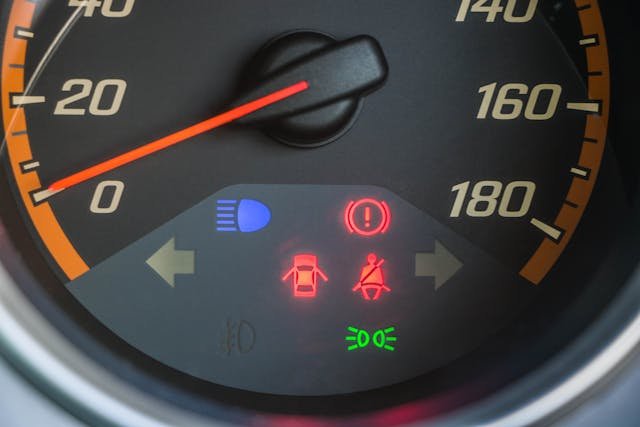
“Engine Trouble Indicators.”
Understanding the Impact of Poor Car Performance:
Your car’s dashboard is the first line of communication between you and your vehicle. Warning lights such as the check engine, oil pressure, and battery alerts indicate potential problems that need attention. Ignoring these signals can allow minor issues to escalate, causing serious damage.
For example, a check engine light might be triggered by a loose gas cap or something more severe like a failing catalytic converter. If ignored, you risk reduced fuel efficiency, higher emissions, and costly repairs. A sluggish engine or strange sounds during acceleration can signal dirty air filters or failing spark plugs, which directly affect performance and gas mileage.
Poor car performance can also lead to unsafe driving conditions. Problems with brakes, suspension, or tires compromise your control and safety on the road. By paying close attention to your vehicle and acting quickly, you reduce risks and save yourself from expensive repairs.
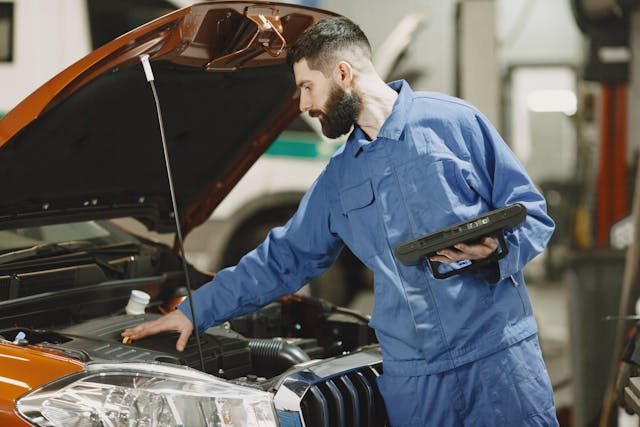
“Advanced Engine Diagnostics.”
Practical Steps to Prevent Poor Performance:
Maintaining a car in peak condition requires diligence and knowledge. Here are essential practices to keep your vehicle healthy:
1. Stick to a Routine Maintenance Schedule:
Your vehicle’s manual provides a maintenance timeline tailored to your model. This usually includes oil changes every 5,000 to 7,500 miles, timely replacement of air and fuel filters, brake inspections, and fluid flushes. Regular maintenance lubricates parts, removes contaminants, and helps prevent engine wear.
2. Regularly Check and Replace Fluids:
Fluids are the lifeblood of your car. Engine oil lubricates moving parts; coolant regulates temperature; brake fluid enables safe stopping; transmission fluid keeps gears shifting smoothly. Low or dirty fluids increase friction, overheating, and component failure. Checking fluid levels monthly and replacing them on schedule is critical.
3. Don’t Ignore Early Warning Signs:
Engine knocking, excessive smoke from exhaust, strange vibrations, or illuminated warning lights indicate underlying issues. Promptly addressing these signs with professional diagnostics can prevent small faults from becoming big repairs. For example, replacing worn spark plugs improves combustion and reduces engine strain.
4. Maintain Your Tires:
Tires affect fuel economy, ride comfort, and safety. Keep tires inflated to the recommended pressure and rotate them every 5,000 to 7,000 miles for even wear. Replace tires when tread depth falls below 2/32 of an inch or if you notice cracks or bulges. Properly maintained tires improve braking performance and reduce the risk of blowouts.
5. Drive Smoothly:
Aggressive driving habits — rapid acceleration, hard braking, and speeding — accelerate wear on your engine, brakes, and tires. Adopting smooth acceleration and gradual braking not only saves fuel but also extends the life of your vehicle components.
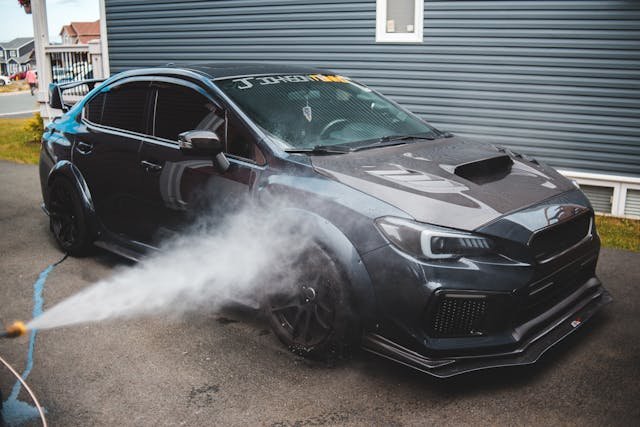
“Protect Your Investment.”
Additional Tips to Extend Your Car’s Lifespan:
Beyond mechanical care, some simple habits help preserve your vehicle:
- Keep your car clean: Dirt, salt, and grime can cause corrosion. Washing your car regularly and applying wax protects the paint and bodywork.
- Clean the engine bay: Debris in the engine compartment can cause overheating or damage electrical systems. A professional engine cleaning once or twice a year can improve performance.
- Choose the right fuel and oil: Always use fuel and oil grades recommended in your owner’s manual. Using lower-quality alternatives or wrong grades can reduce efficiency and increase engine wear.
- Proper storage: If you plan to leave your car unused for an extended period, park it in a garage or use a car cover. Use a battery maintainer to avoid battery drain and keep tire pressure at recommended levels to prevent flat spots.

“Smart Car Care.”
Embrace Technology to Stay Ahead:
Modern vehicles are equipped with advanced diagnostic systems that monitor engine health, fluid levels, tire pressure, and more. Many manufacturers provide smartphone apps that connect to your car and notify you of upcoming maintenance or potential problems. Using these tools helps you stay proactive, scheduling service before issues grow severe.
Additionally, some apps help you keep track of fuel economy, maintenance history, and even locate trusted service centers. Embracing technology can simplify car ownership and keep your vehicle performing optimally.
Common Maintenance Myths Debunked:
Knowing the truth behind popular myths helps avoid unnecessary expenses:
- Myth: Premium fuel always improves performance.
- Truth: Premium fuel only benefits engines designed for it. Otherwise, it’s an unnecessary expense.
- Myth: More frequent oil changes are always better.
- Truth: Stick to the manufacturer’s recommendation for your driving conditions and oil type.
- Myth: Tires don’t need replacing if properly inflated.
- Truth: Tires age and wear regardless; replace them based on tread depth and condition.
Understanding facts helps you invest your time and money wisely in car care.
Conclusion:
Most car performance problems start small but escalate if ignored. Recognizing early signs, following a consistent maintenance schedule, and adopting smart driving habits can keep your vehicle running smoothly for years. This proactive approach saves money, reduces stress, and ensures your safety on the road.
By caring for your car diligently, you’ll enjoy better fuel efficiency, fewer breakdowns, and a more enjoyable driving experience.
Did you find this guide helpful? Save it for your next maintenance check and share it with friends and family who want to keep their cars in top shape. Let’s all drive safer, cleaner, and longer by staying ahead of car troubles!