
What Is a Car Engine?
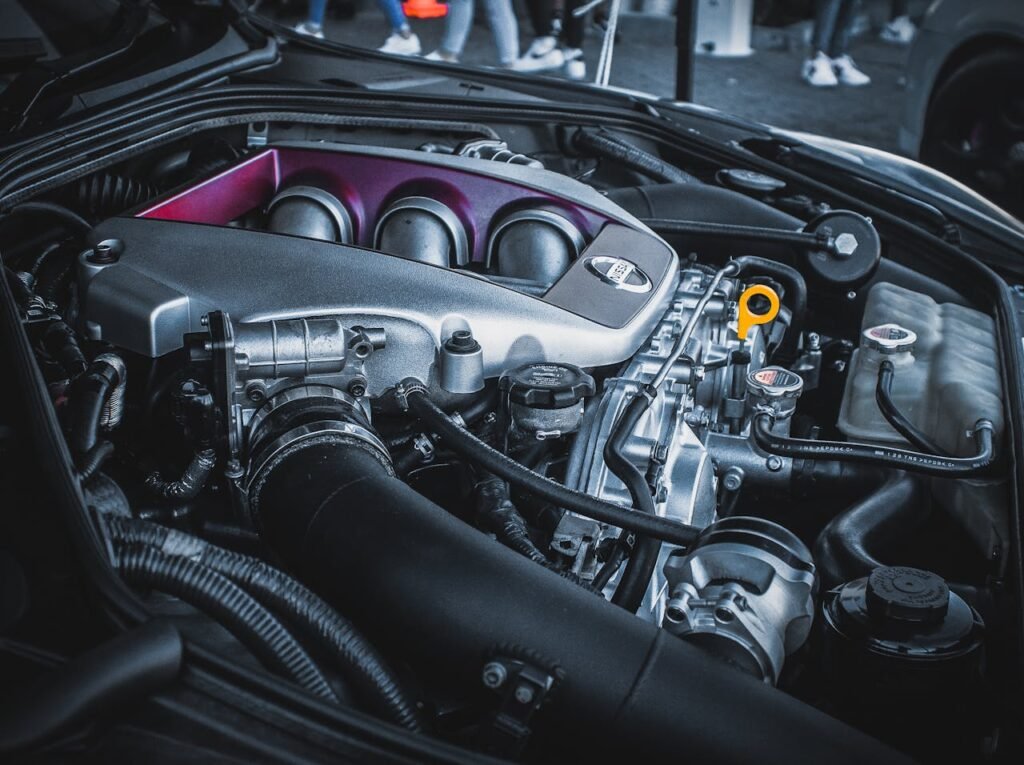
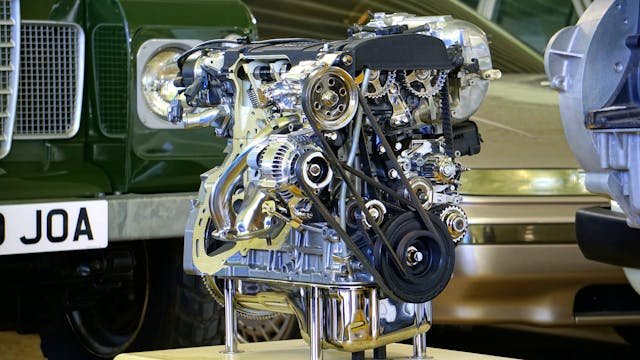
The car engine is a complex machine designed to convert fuel into mechanical energy, which ultimately powers the vehicle. At its core, the engine works by igniting a controlled explosion of fuel and air inside its cylinders. This explosion pushes pistons up and down, creating the movement that turns the crankshaft and, in turn, moves the wheels.
Most cars use an internal combustion engine (ICE), which means the combustion happens inside the engine itself. There are different types of engines, including gasoline (petrol) engines, diesel engines, and more recently, hybrid and electric powertrains. However, traditional gasoline and diesel engines are still the most common worldwide.
The engine consists of many intricate parts working in harmony — from cylinders and pistons to valves and spark plugs — all designed to maximize power output while minimizing fuel consumption and emissions.
In addition to generating power, the engine also drives other important systems, such as the alternator (which charges the battery), the power steering pump, and the air conditioning compressor.
What Is the Purpose of a Car Engine?
The main purpose of a car engine is to:
- Generate power to move the car forward or backward.
- Convert fuel energy into mechanical energy.
- Work with other systems like the transmission and drivetrain to move the wheels.
- Support electrical systems by powering the alternator.
In short, the engine is what allows the vehicle to function and travel.
Why Is the Engine Important?
Without a working engine, your car is just a large, heavy object that can’t move. Here’s why it’s so crucial:
- Essential for Mobility: No engine means no movement.
- Powers Other Components: Runs systems like the alternator, power steering, air conditioning, and more.
- Expensive to Replace: Engine repairs and replacements are among the most costly in a vehicle.
- Determines Lifespan: A healthy engine can extend the overall life of your car.
A well-maintained engine improves fuel efficiency, reduces emissions, and saves you money in the long run.
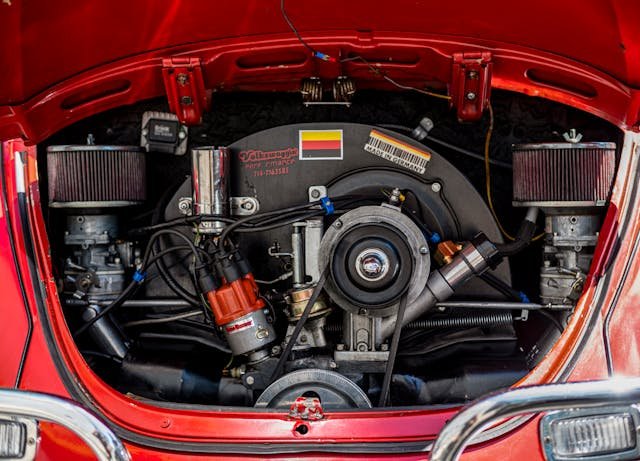
Parts of a Car Engine.
- Cylinder Block
- Pistons
- Crankshaft
- Cylinder Head
- Camshaft
- Valves (Intake and Exhaust)
- Spark Plugs
- Timing Belt / Chain
- Oil Pump
- Cooling System (Radiator, Water Pump)
- Connecting Rods
- Engine Bearings
- Flywheel
- Oil Pan
- Gaskets and Seals
- Intake Manifold
- Exhaust Manifold
- Throttle Body
- Mass Air Flow Sensor (MAF)
- Oxygen Sensor (O2 Sensor)
- PCV Valve (Positive Crankcase Ventilation)
- Engine Mounts
- Knock Sensor
- Turbocharger / Supercharger (if equipped)
- EGR Valve (Exhaust Gas Recirculation)
- Timing Cover
- Serpentine Belt
Common Engine Problems and Their Solutions.
1. Engine Overheating:
Problem: Engine overheating occurs when the engine temperature rises above the normal operating range. This can cause severe damage such as warped cylinder heads or a blown head gasket.
Causes: Low coolant level, faulty thermostat, broken water pump, radiator issues (clogs or leaks), malfunctioning cooling fan.
Solutions: Regularly check and top up coolant levels, replace faulty thermostat and water pump immediately, flush and clean the radiator periodically, inspect and repair radiator leaks, ensure cooling fans are functioning properly.
2. Engine Misfiring:
Problem: Engine misfire happens when one or more cylinders fail to ignite properly, causing rough idling, loss of power, and increased emissions.
Causes: Worn or faulty spark plugs, damaged ignition coils, fuel delivery problems (clogged injectors or fuel filter), vacuum leaks.
Solutions: Replace spark plugs at manufacturer-recommended intervals, test and replace faulty ignition coils, clean or replace fuel injectors and fuel filters, inspect and seal any vacuum leaks in the intake system.
3. Engine Knocking or Pinging:
Problem: Knocking or pinging sounds are caused by premature combustion in the engine cylinder, which can damage pistons and valves.
Causes: Low-octane fuel, incorrect ignition timing, carbon buildup inside cylinders, faulty knock sensor.
Solutions: Use the recommended octane fuel for your vehicle, adjust ignition timing as per specifications, perform regular fuel system and intake cleaning to reduce carbon deposits, replace a malfunctioning knock sensor.
4. Loss of Power:
Problem: A noticeable decrease in engine power can affect acceleration and overall vehicle performance.
Causes: Dirty air filter, faulty fuel pump, clogged fuel injectors, exhaust system blockages, sensor failures (MAF, oxygen sensor).
Solutions: Replace air filter regularly, test and replace faulty fuel pump, clean fuel injectors or replace if necessary, inspect and repair exhaust system components, check and replace malfunctioning sensors.
5. Excessive Oil Consumption or Leaks:
Problem: Engines that consume too much oil or have oil leaks can suffer from lubrication problems, leading to engine wear or failure.
Causes: Worn piston rings or valve seals, damaged gaskets or seals, loose or damaged oil pan, overfilled or improper oil.
Solutions: Replace worn piston rings or valve seals, inspect and replace damaged gaskets and seals, tighten or replace oil pan if leaking, use correct oil grade and avoid overfilling.
6. Rough Idling:
Problem: Engine runs unevenly or vibrates excessively when idling, which may cause stalling.
Causes: Dirty or faulty idle air control valve, vacuum leaks, faulty spark plugs or ignition coils, fuel system issues.
Solutions: Clean or replace idle air control valve, inspect and fix vacuum leaks, replace worn spark plugs and ignition coils, service fuel system components as needed.
7. Engine Won’t Start:
Problem: The engine fails to start or cranks slowly.
Causes: Dead or weak battery, faulty starter motor, ignition system failure, fuel delivery problems.
Solutions: Test and replace battery if necessary, repair or replace starter motor, check ignition system components (spark plugs, coils, ignition switch), ensure fuel pump and injectors are working correctly.
8. Blue or Black Exhaust Smoke:
Problem: Unusual exhaust smoke color indicates engine problems.
Causes: Blue smoke: Burning oil (worn piston rings or valve seals); Black smoke: Excess fuel being burnt (faulty fuel injectors, dirty air filter).
Solutions: Repair or replace worn engine parts causing oil leaks into combustion chamber, clean or replace fuel injectors and air filters, adjust fuel-air mixture.
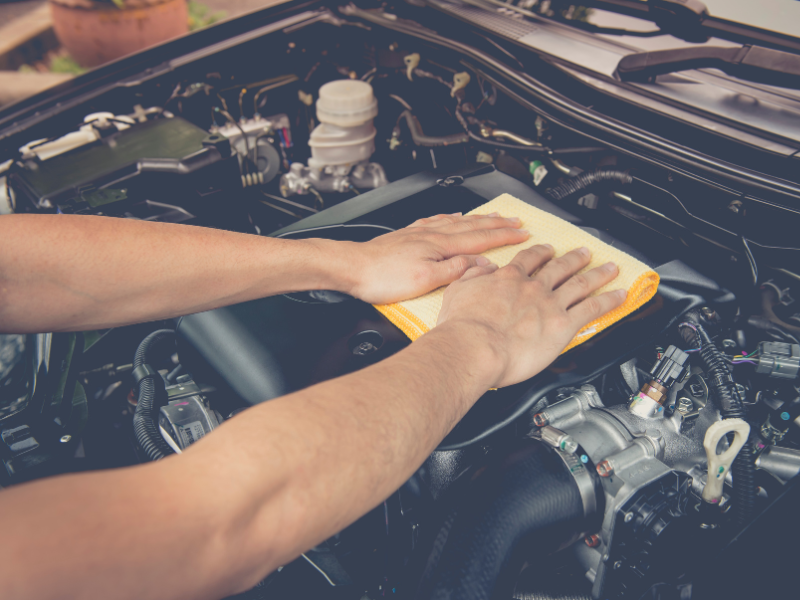
Cleaning the Engine: Importance, Reasons, and How to Do It?
Why Is Engine Cleaning Important?
Engine cleaning is essential for maintaining the overall health and efficiency of your vehicle. Over time, dirt, oil, grease, and debris accumulate in the engine bay, which can cause blockages, overheating, and premature wear of engine components. A clean engine helps improve heat dissipation, prevents corrosion, and allows for smoother operation. Moreover, it makes it easier to spot leaks or damage early, preventing costly repairs down the line. Keeping the engine clean contributes not only to better performance but also to the longevity and reliability of your car.
Why Do We Have to Clean the Engine?
Engines operate in tough conditions, exposed to dust, road grime, oil leaks, and other contaminants. Over time, these substances accumulate on and around engine parts. Without regular cleaning:
- The buildup can cause clogged filters and restricted airflow, reducing engine efficiency.
- Oil leaks or coolant leaks can go unnoticed and cause severe damage if not addressed early.
- Corrosion and rust can develop on metal parts, weakening their structural integrity.
- Electrical components and sensors may malfunction due to dirt and debris interference.
Cleaning your engine ensures it stays in good working condition and helps you avoid costly repairs.
How to Clean a Car Engine?
Cleaning your engine can be done at home with proper care or by a professional. Here’s a simple step-by-step guide for safe engine cleaning:
1. Preparation.
- Cool the engine: Always clean the engine when it is cold to avoid burns and damage.
- Cover sensitive parts: Use plastic bags or foil to cover the air intake, distributor, exposed filters, and electrical parts to protect them from water.
- Remove debris: Use compressed air or a brush to remove loose dirt and leaves from the engine bay.
2. Degreasing.
- Apply a car engine degreaser or a mild detergent evenly over the engine surfaces. Avoid harsh chemicals that can damage rubber or plastic parts.
- Let the degreaser sit for 5-10 minutes to break down grease and grime.
3. Scrubbing.
- Use a soft brush to gently scrub stubborn dirt, oil, and grease from the engine parts. Be careful around sensitive components.
4. Rinsing.
- Rinse the engine bay lightly with a low-pressure water source, avoiding high pressure that can damage electrical components.
5. Drying and Final Checks.
- Allow the engine to air dry completely or use compressed air to speed up drying.
- Remove protective covers from sensitive parts.
- Start the engine and check for any irregularities.
Top Engine Services to Keep Your Car Running Smoothly.
Regular maintenance and timely servicing of your engine are essential to keep your vehicle running efficiently and to prevent costly repairs. Here are some of the most important engine services you should consider:
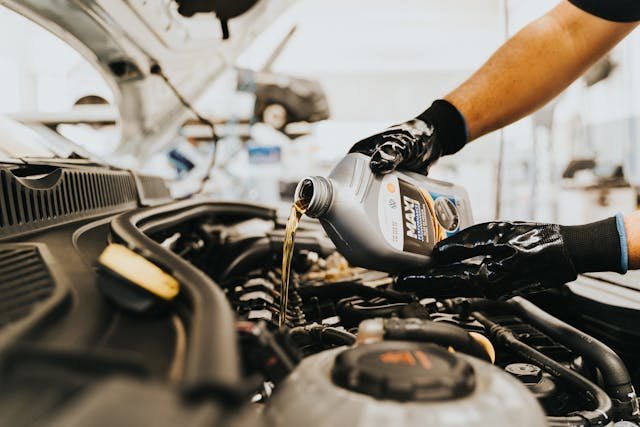
1. Oil Changes:
Regular oil changes are crucial for lubricating engine parts, reducing friction, and preventing overheating. Fresh oil helps remove contaminants and ensures the engine runs smoothly. Most manufacturers recommend changing the oil every 5,000 to 7,500 miles, but always check your owner’s manual for specific intervals.
2. Air Filter Replacement:
The air filter prevents dirt, dust, and debris from entering the engine. A clogged air filter reduces airflow, leading to poor fuel efficiency and reduced engine performance. Replace your air filter every 12,000 to 15,000 miles or as recommended.
3. Fuel Filter Replacement:
The fuel filter traps impurities from the fuel before it reaches the engine. A dirty or clogged fuel filter can cause fuel delivery problems, resulting in engine misfires or hesitation. Regular replacement ensures proper fuel flow and engine performance.
4. Spark Plug Replacement:
Spark plugs ignite the fuel-air mixture in the engine’s cylinders. Worn or fouled spark plugs can cause misfires, rough idling, and poor acceleration. Replace them according to your vehicle’s maintenance schedule, usually every 30,000 to 100,000 miles.
5. Timing Belt/Chain Inspection and Replacement:
The timing belt or chain synchronizes the movement of the engine’s valves and pistons. A worn or broken timing belt can cause severe engine damage. Have it inspected regularly and replaced as recommended by the manufacturer, typically between 60,000 and 100,000 miles.
6. Coolant Flush and Replacement:
Coolant helps regulate engine temperature and prevents overheating. Over time, coolant can become contaminated or lose its effectiveness. Flushing the cooling system and replacing the coolant every 30,000 to 50,000 miles helps keep the engine from overheating and prevents corrosion.
7. Battery and Electrical System Check:
The battery powers the starter motor and electrical components essential for engine operation. Regularly inspect the battery terminals for corrosion and ensure the battery is charged. Replace the battery as needed to avoid starting issues.
8. Engine Diagnostics and Sensor Checks:
Modern engines rely on various sensors to monitor and optimize performance. Diagnostic scans can detect sensor failures, misfires, or other engine issues early. Routine checks help maintain smooth engine operation and reduce emissions.
9. Exhaust System Inspection:
The exhaust system manages the release of gases from the engine. Problems such as clogged catalytic converters or damaged exhaust pipes can reduce engine efficiency and increase pollution. Regular inspections and repairs keep your engine running cleanly and efficiently.
10. Engine Tune-Up:
An engine tune-up involves inspecting, cleaning, and replacing various components such as spark plugs, ignition wires, filters, and fluids. This comprehensive service improves engine performance, fuel efficiency, and extends the engine’s lifespan.
Tips for Maintaining a Healthy Car Engine.
Keeping your engine in top condition isn’t just about following service schedules; there are everyday habits that can help prolong its life and boost performance:
- Regularly Check Fluid Levels: Apart from oil and coolant, keep an eye on brake fluid, transmission fluid, and power steering fluid to ensure all systems run smoothly.
- Listen to Your Engine: Strange noises like knocking, ticking, or rattling should never be ignored. Early detection can prevent major damage.
- Avoid Short Trips When Possible: Engines run best when they reach operating temperature. Frequent short drives can cause moisture buildup and incomplete combustion, leading to carbon deposits.
- Warm Up Your Engine: In cold weather, let your car warm up for a few minutes before driving to reduce engine wear.
- Drive Smoothly: Avoid aggressive acceleration and hard braking to reduce engine strain and fuel consumption.
- Keep the Engine Bay Clean: Aside from scheduled cleaning, wiping away dust and debris regularly can prevent buildup and keep components functioning properly.
- Use Quality Fuel: Fuel quality impacts engine health. Using recommended fuel grades and adding fuel system cleaners occasionally can help keep injectors and valves clean.
- Schedule Regular Inspections: Have your engine and related systems checked by professionals at regular intervals to catch issues before they become serious.
Conclusion.
A car engine is the heart of your vehicle, converting fuel into the power needed to keep you moving. Understanding its parts, common problems, and the importance of regular maintenance can save you time, money, and stress. Routine services like oil changes, filter replacements, and engine cleaning not only improve performance but also extend the life of your engine. By paying attention to signs of trouble early and practicing good driving and maintenance habits, you can ensure your engine remains reliable and efficient for many miles to come. Taking care of your engine is taking care of your car’s future.
This is an article guide for someone who wants his vehicle like an soldier. Save this guide for later problems in the engine.
If you want to get more knowledge about the Cars.
You are mistaken. Let’s discuss. Write to me in PM, we will talk.
_ _ _ _ _ _ _ _
rental car in granada spain