

“Everyday Car – Your Reliable Travel Companion. Car Parts and Common Problems.“”
So, What Exactly Is a Car?
A car isn’t just a machine—it’s a part of daily life. It’s a vehicle designed to move people from one place to another safely and efficiently. Whether it’s a compact city car or a full-size SUV, cars come in all shapes and sizes, but they all serve the same core purpose: convenient personal transportation.
Think about your daily routine—getting to work, grocery shopping, family trips, or a weekend getaway. Cars give us the freedom to go wherever we want, whenever we want.
Why Do People Rely on Cars So Much?
The benefits are hard to ignore:
- You can travel on your own schedule.
- It’s a safe space for long commutes.
- You’re not tied to train or bus timings.
- And let’s be honest—road trips are a joy in the right car.
For many people, owning a car isn’t just about getting around—it’s about freedom, responsibility, and independence.
Why This Guide Is Worth Your Time?
Let’s face it—cars aren’t perfect. They break down, wear out, and sometimes leave us scratching our heads. This article is written for anyone who wants to understand the basics of car parts, recognize common problems, and learn simple, real-world solutions. Whether you’re brand new to cars or just want to avoid a costly repair bill, you’re in the right place.
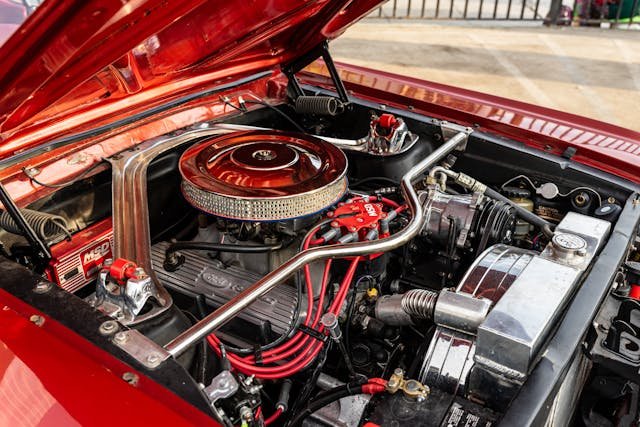
“Under the Hood: Key Engine Components to Know”
When the Engine Starts Acting Up
The engine is basically your car’s heartbeat. When it’s not happy, you’ll know.
Common Signs Something’s Wrong:
- The temperature gauge is rising (uh-oh, overheating).
- You see oil spots under your car.
- It’s running rough or keeps stalling.
What You Can Do About It:
- Keep an eye on oil and coolant levels.
- Change the oil on time—don’t skip it!
- Replace dirty air filters and bad sensors as needed.
Battery Issues Always Seem to Happen at the Worst Time
We’ve all been there—late for something important, and the car won’t start.
The Usual Suspects:
- The battery is just old (3+ years? Time to check).
- Corroded terminals are blocking the power.
- You left the lights on overnight.
Smart Fixes:
- Clean off corrosion (a little baking soda and water works wonders).
- Check the battery age and replace it every few years.
- Turn off accessories before shutting off the engine.
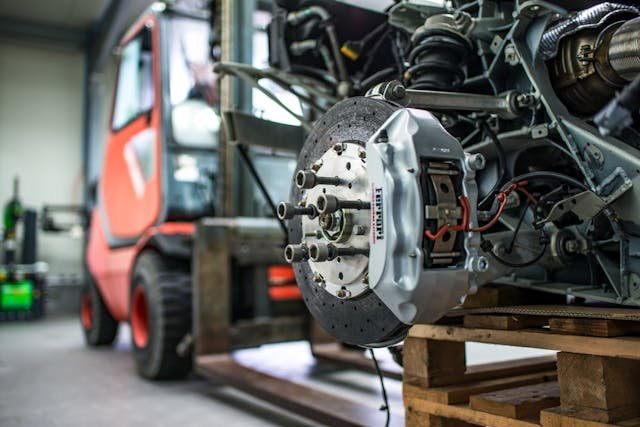
“Brakes: The Safety Gear You Can’t Ignore”
Brakes Making Weird Noises? Don’t Ignore It
Brakes are your car’s most important safety feature. If they start acting strange, take it seriously.
What to Watch (or Listen) For:
- Squealing or grinding noises.
- Pedal feels squishy or soft.
- The car pulls to one side when braking.
Quick Actions That Help:
- Replace brake pads when they’re thin.
- Top up or flush the brake fluid.
- Get the system checked before it gets dangerous.
Gears Not Shifting Smoothly? It Might Be the Transmission
Your car’s transmission manages how power gets from the engine to the wheels.
Red Flags to Look For:
- Slipping between gears.
- Delayed or clunky shifting.
- Red or brown fluid leaking on your driveway.
What You Can Do:
- Check transmission fluid regularly.
- Don’t ignore leaks—get them fixed ASAP.
- Have it servived if shifting feels off.
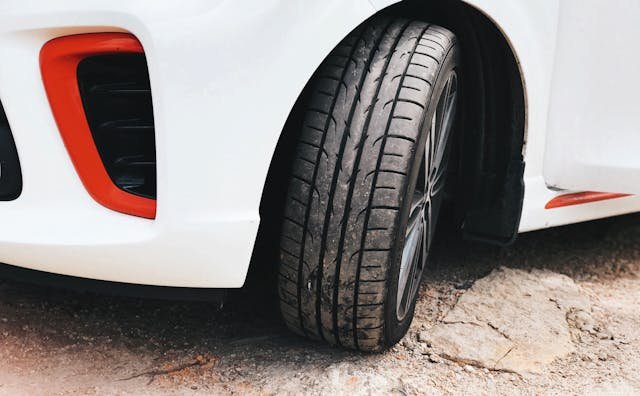
“Tires: The Only Contact Between Your Car and the Road”
Tires Tell a Story—Are Yours in Good Shape?
Your tires are the only part of your car that actually touches the road, so keeping them in shape is a must.
Trouble Signs:
- Uneven tread wear.
- Low tire pressure.
- Cracks or bulges in the rubber.
Keep Them Rolling Right:
- Rotate your tires every few thousand miles.
- Inflate them to the recommended PSI.
- Replace them if the tread is worn out.
If the Ride Feels Rough, Check the Suspension What You Might Notice
If your car feels bouncy, unsteady, or just not smooth, your suspension might be worn out.
What You Might Notice:
- Car leans in turns.
- Knocking sounds over bumps.
- Uneven tire wear.
How to Fix It:
- Replace old shocks or struts.
- Get an alignment if the steering feels off.
- Check all joints and bushings during routine service.
Why Overheating Can Ruin Your Day (and Engine)
Your car’s cooling system keeps the engine at the right temperature. If it fails, things can go south fast.
Common Cooling Problems:
- Leaking coolant.
- A stuck thermostat.
- A clogged or damaged radiator.
How to Stay Cool:
- Check coolant levels often.
- Flush the radiator as recommended.
- Replace worn hoses and thermostats early.
When Fuel Delivery Isn’t Smooth, Neither Is the Drive
Fuel system issues can make your car feel sluggish—or stop it altogether.
The Red Flags:
- Poor acceleration or stalling.
- Car won’t start after refueling.
- Engine misfires during driving.
What Helps:
- Change the fuel filter regularly.
- Use injector cleaner now and then.
- Get the pump and lines checked during maintenance.
The Exhaust System—Louder Doesn’t Mean Better
The exhaust keeps your car quiet and helps reduce emissions. When there’s a problem, your car might get noisy or smelly.
What to Notice:
- Loud or rattling exhaust.
- Drop in fuel efficiency.
- Rotten egg smell (yes, really).
Fix It Fast:
- Repair or replace cracked pipes.
- Get your catalytic converter checked.
- Schedule emissions testing if the check engine light is on.
Quick Solutions to Common Car Problems
Engine Not Starting.
- Possible Causes: Dead battery, faulty starter, worn spark plugs.
- What You Can Do: Try jumpstarting your battery first. If that doesn’t work, have your battery, starter, and spark plugs checked or replaced.
Brakes Not Working Properly.
- Possible Causes: Worn brake pads, low brake fluid, air in the brake lines.
- What You Can Do: Replace worn brake pads and top up or bleed the brake fluid to remove air.
Loud Sounds While Driving.
- Possible Causes: Loose exhaust parts, damaged muffler, or engine knocking.
- What You Can Do: Inspect the exhaust system for loose parts or damage and tighten or replace them as needed.
Engine Overheating.
- Possible Causes: Low coolant level, thermostat failure, clogged radiator.
- What You Can Do: Check and refill coolant, replace the thermostat, and flush the radiator if needed.
Gear Shifting Not Smooth.
- Possible Causes: Low or old transmission fluid, worn clutch (manual cars).
- What You Can Do: Check and replace transmission fluid regularly; service or replace clutch parts if necessary.
Car Battery Problems.
- Possible Causes: Old battery, corroded terminals, faulty alternator.
- What You Can Do: Clean battery terminals, test your alternator’s output, and replace the battery if it’s old or weak.
True Story: How Ignoring the Noise Cost a Driver Big Time
Rahul, a college student, started hearing a grinding noise while braking. He figured it could wait until his next paycheck. A month later, his brakes completely failed on a downhill drive. Thankfully, no one was hurt—but the repair bill was over $800.
Lesson? Noises are your car’s way of asking for help. Listen early, save later.
Final Thoughts: Be Smart, Drive Safe
Understanding your car doesn’t mean you need to become a mechanic. But when you know what to look for—and what to do—you avoid stress, save money, and stay safer on the road. A little knowledge goes a long way, especially when it’s about the vehicle that carries you through life every day.
Found this guide helpful?
Save it for your next car check-up and share it with friends and family who drive too. You never know—this could be the article that saves someone a costly repair (or even a breakdown)!
Let’s keep our rides smooth, safe, and smart.
If you wants to know more and detailed about the different car parts, Their problems and solutuions.