
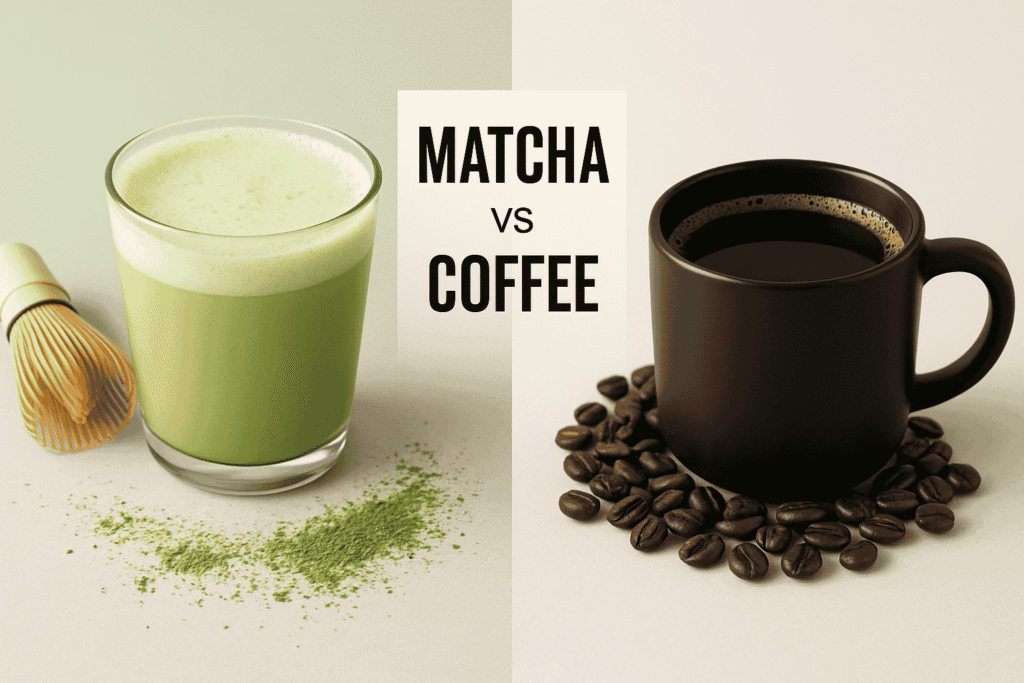
They reach for their morning drink hoping for an instant boost—but is it doing more harm than good? The right choice between two popular beverages can impact not just energy levels, but long-term wellness, too. This article asks: Should someone pick matcha or coffee for a healthier, more energizing start? It answers by comparing their effects on alertness, health benefits, and suitability for daily routines.
1. What Exactly Are Matcha and Coffee?
Matcha is a finely ground powder made from the leaves of the Camellia sinensis plant, shaded before harvest to boost chlorophyll and antioxidants. Coffee, meanwhile, is brewed from roasted beans of the Coffea arabica plant and is one of the world’s most consumed beverages. Though both deliver caffeine and antioxidants, their profiles diverge when it comes to how the body absorbs them and the type of benefit they provide.
2. Caffeine, Energy & Focus: How They Compare
When someone drinks coffee, the caffeine uptake is fast and intense—leading to a sharp alertness spike and then often a crash.In one comparison, matcha (with its typical 38-89 mg of caffeine per serving) offered a slower, steadier energy release. Matcha also contains the amino acid L‑theanine, which promotes calm focus and may soften the jittery effects of caffeine. Therefore, if someone wants immediate “wake-up” power, coffee may win. But for sustained mental clarity without the crash, matcha may be the gentler choice.
3. Health Benefits Beyond the Buzz
Both beverages pack antioxidants and health-supporting compounds:
- Matcha is rich in catechins like Epigallocatechin gallate (EGCG), which show anti-inflammatory, metabolic and vascular benefits.
- Coffee is loaded with chlorogenic acid and other polyphenols. Studies link regular coffee drinking with a lower risk of type 2 diabetes, liver disease and Alzheimer’s.
In essence: both matcha and coffee offer meaningful health potential when consumed mindfully.
4. Which Is Better Based on Lifestyle & Diet?
If someone has acid reflux, gets jittery from caffeine, or follows a gentle morning routine, matcha might be ideal thanks to its lower acidity and smoother focus. On the other hand, if someone needs full-on, rapid alertness (e.g., before a workout) or enjoys the bold flavour of coffee and tolerates it well, coffee may be the better pick. Importantly, how either drink is prepared (add-ons like sugar or cream) greatly influences its health value.
5. Practical Recommendations & Best Use Cases
- For a daily balanced boost: Choose matcha with low-sugar plant-milk or water.
- For stronger caffeine demands: Choose a plain brewed coffee (without heavy syrups).
- Monitor intake: Aim for under 400 mg caffeine per day (roughly 4 filtered coffees or 2-3 strong matcha servings) to avoid sleep/disruption issues.
- Timing matters: Avoid coffee late in the day if it interferes with sleep; matcha may offer more flexibility.
- Consider nutrient absorption: Both coffee and matcha contain tannins and polyphenols that can interfere with non-heme iron absorption—so pairing with iron-rich meals should be timed carefully.
FAQ
Q: Can someone drink both matcha and coffee in the same day?
A: Yes—combining is feasible if total caffeine remains moderate and they listen to their body’s responses
.
Q: Which is better for weight-loss support?
A: Both may support metabolism slightly: caffeine can raise energy expenditure, and EGCG in matcha may enhance fat oxidation. However, neither is a substitute for a balanced diet.
Q: Does matcha taste worse than coffee?
A: Taste is subjective—matcha is smoother and vegetal; coffee is bolder and more robust. Both can be improved with minimal sweeteners.
Q: Are there any risks?
A: Over-consumption of caffeine or contaminated matcha (heavy metals) may pose risks. Those with iron-absorption issues should space their intake.
If someone is ready to upgrade their morning ritual and choose the right energizing drink for their lifestyle, encourage them to experiment with both for a week: one drink in the morning, note energy levels, mood, digestion, and focus. Then select the one that suits them best. Want more breakfast drink options, comparison guides, and nutrition-rich habits? Explore our Healthy Morning Beverages section and subscribe to receive weekly wellness updates delivered straight to their inbox.