
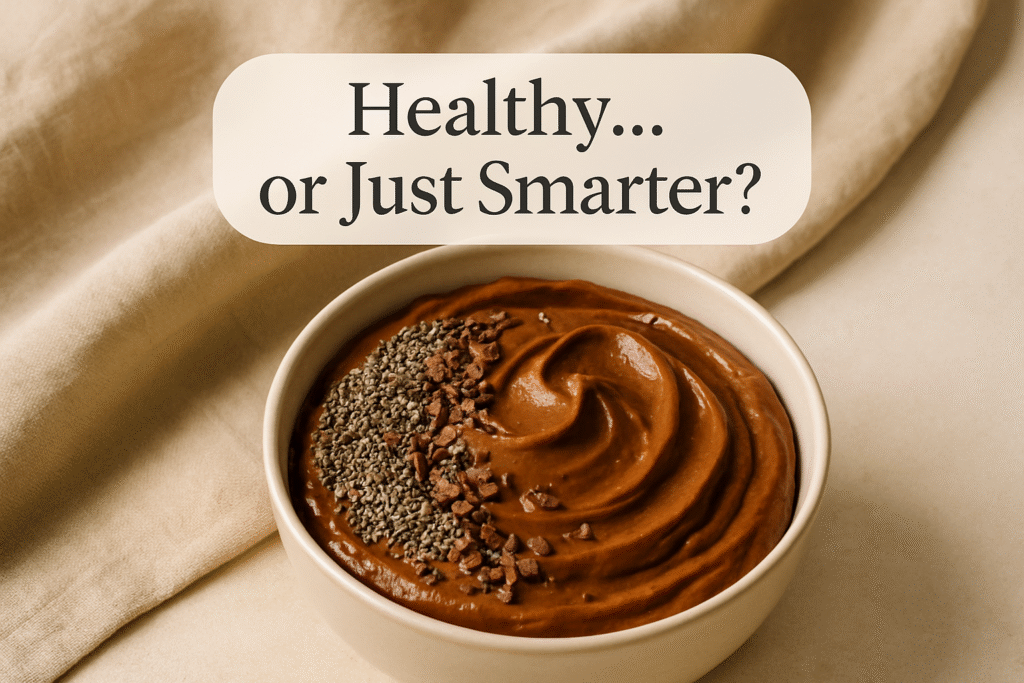
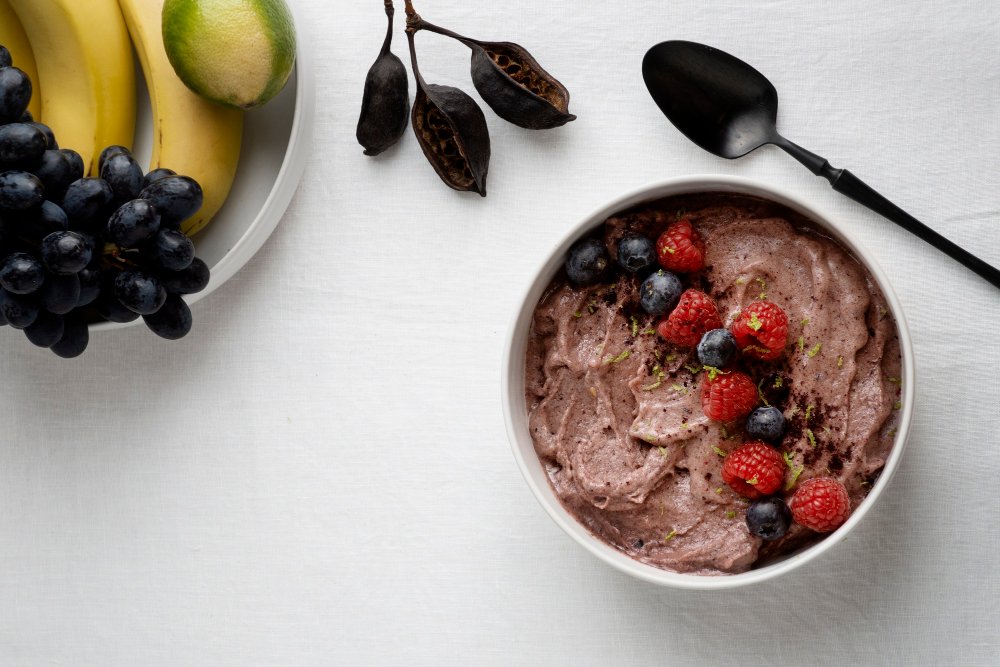
In a world where wellness is a booming industry and health-conscious decisions dominate daily routines, desserts have somehow managed to sneak into the conversation under the label of “healthy.” But should desserts really be called healthy? And more importantly, can something inherently indulgent transform into a nourishing part of a balanced diet? This article explores that very dilemma. It analyzes the science, dissects expert opinions, and weighs real consumer behavior to uncover the truth behind the ever-popular phrase: Healthy Dessert Recipe.
A Changing Narrative: From Cheat Days to Everyday Delights
For generations, desserts were strictly categorized as indulgent—something reserved for special occasions or cheat days. They were high in sugar, saturated fat, and calories. But the last decade has seen a significant shift. Google Sheets keyword trend data reveals a consistent rise in searches for “healthy dessert recipe,” “low-calorie sweets,” and “sugar-free chocolate cake” from 2018 to 2024.
This isn’t just a trend—it’s a reflection of a deeper cultural transformation. People want to enjoy their treats without sacrificing their health. Enter a wave of desserts made from alternative flours, natural sweeteners, healthy fats, and plant-based ingredients. Think almond flour cookies, avocado brownies, and banana-based ice creams. These aren’t just Pinterest fads; they’re driven by rising concerns about obesity, diabetes, and heart disease. According to the CDC (2023), nearly 11.6% of the U.S. population has diabetes, prompting a push for better sugar control and healthier food swaps.
However, is swapping ingredients enough to earn the label “healthy”?
What Makes a Dessert “Healthy”? A Closer Look at Definitions and Misconceptions
The term “healthy dessert recipe” might sound appealing, but it lacks a universal definition. According to the FDA, a product can only be marketed as “healthy” if it meets specific criteria around fat, sodium, cholesterol, and nutrient density. But bloggers, influencers, and recipe developers aren’t bound by such regulations when publishing content online.
In most cases, desserts labeled as healthy are:
- Lower in refined sugars
- Higher in fiber or protein
- Made with whole food ingredients
- Free from processed additives or preservatives
Still, these “healthy” swaps can be deceiving. For instance, replacing sugar with maple syrup or honey still adds sugar, albeit in a less refined form. And using coconut oil in place of butter may add medium-chain triglycerides, but it’s still calorie-dense. It creates what nutritionists call the “health halo effect”—where a food item appears healthier than it actually is, prompting overconsumption.
Take note of this quote from Dr. Marion Nestle, a leading nutrition expert: “Natural doesn’t mean nutritious. A cookie made with organic sugar is still a cookie.”
Behind the Buzzwords: A Scientific Lens on Common Healthy Dessert Ingredients
So how do these popular “healthy” desserts stack up nutritionally? Here’s a breakdown of commonly used ingredients and what science has to say:
- Chia Seeds: Packed with omega-3 fatty acids, fiber, and protein. Great for satiety and heart health.
- Avocado: High in healthy fats and potassium. Often used in chocolate mousse for creaminess.
- Dates: Natural sweeteners with fiber, but high in natural sugars.
- Coconut Sugar: Lower glycemic index than table sugar but similar in calories.
- Almond Flour: Low in carbs, high in protein, but calorie-dense.
A 2022 study from the Journal of Clinical Nutrition concluded that healthy dessert alternatives can improve diet quality only when consumed in moderation and as part of a nutrient-dense diet. Eating three protein brownies a day might provide protein, but it also adds up in calories and sugar quickly.
So yes, the ingredients may be better, but calling the end product “healthy” can be misleading unless portion control and balance are maintained.
Consumer Perception and Real-Life Opinions
To understand how people really feel about healthy desserts, we examined Reddit threads, food forums, and online surveys. Opinions are divided:
- Proponents argue that healthy desserts help them stick to long-term wellness goals.
- Skeptics claim the flavor and texture often don’t compare to traditional desserts.
- Moderates say that healthy dessert recipes are helpful but must be eaten mindfully.
From a practical standpoint, many people view them as tools to bridge the gap between health and pleasure. A 2023 consumer behavior report by Mintel showed that 58% of Americans said they’d choose a dessert with less sugar if it still tasted good, while 33% actively seek recipes labeled as “healthy dessert recipe” when meal planning.
It’s clear that demand is growing. But trust and transparency need to follow closely behind.

The Balanced Verdict: Redefining Healthy Desserts for a Smarter Future
So, should desserts really be called “healthy“? The answer depends on perspective.
If the word “healthy” is used to describe nutrient-dense, lower-sugar, better-for-you alternatives, then yes—some desserts qualify. However, if it implies zero guilt, unlimited servings, or superior nutrition, then the term becomes problematic.
The real takeaway is this: a healthy dessert recipe can be a wonderful part of your lifestyle when paired with moderation, mindful ingredient selection, and accurate expectations. Consumers should look beyond buzzwords and consider portion sizes, caloric content, and nutritional balance.
As the saying goes: “Just because it’s made with oats doesn’t mean it’s not a cookie.”
Frequently Asked Questions
Q1: Are healthy desserts actually low in calories?
A: Not always. Many contain calorie-dense ingredients like nuts, oils, and natural sweeteners.
Q2: Do sugar alternatives make desserts healthier?
A: They can reduce the glycemic impact, but portion control is still crucial.
Q3: Can healthy desserts help with weight loss?
A: Only if they are part of an overall calorie-controlled, balanced diet.
Q4: What is the best healthy dessert recipe?
A: That depends on your goals. For low-sugar, try chia pudding. For high-protein, consider black bean brownies.
Q5: Should kids eat healthy desserts?
A: Yes, especially when made with whole ingredients and minimal added sugars.
Final Words
Healthy desserts are more than a trend—they’re a response to growing nutritional awareness. But clarity is key. Instead of assuming health from a label, consumers should be empowered to evaluate desserts based on their ingredients and context. The term “healthy dessert recipe” should inspire better choices, not deceive or mislead. When viewed through a lens of balance, moderation, and nutritional literacy, dessert can absolutely be part of a healthy lifestyle.